
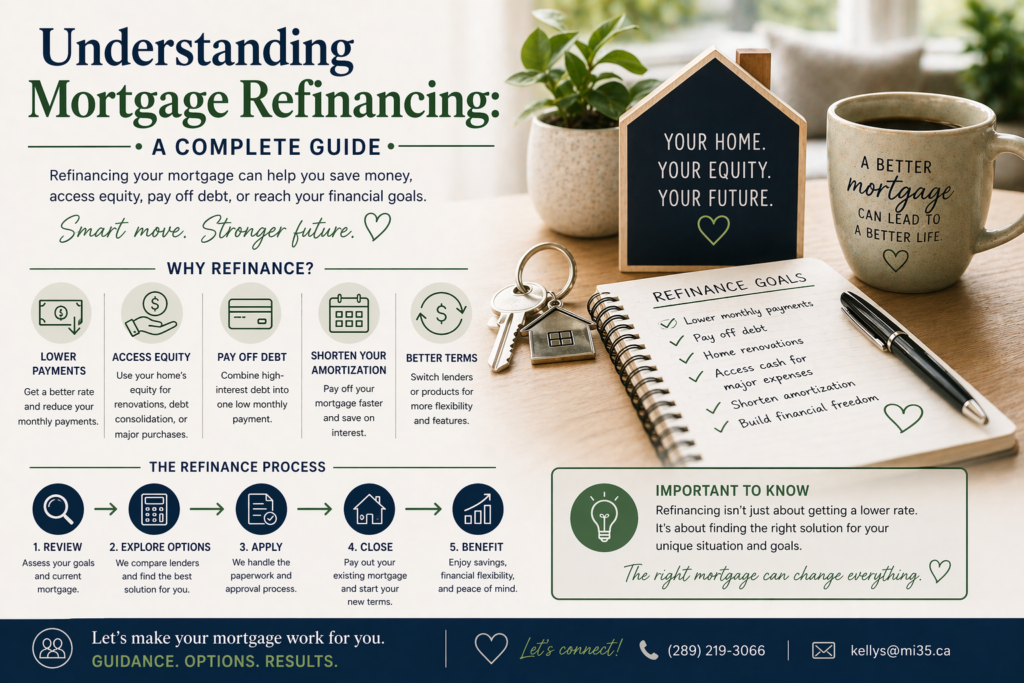
Mortgage refinancing is a powerful tool for homeowners looking to optimize their financial situation. In this comprehensive guide, you’ll explore the foundations of mortgage refinancing, understand its practical benefits, and learn actionable strategies to manage your finances more effectively. Refinancing is not just about securing a lower interest rate; it’s about tailoring your loan to better fit your evolving needs—whether it’s reducing monthly payments, consolidating debt, or tapping into your home’s equity.
Consider these key takeaways as you read on:
- Understanding the mechanics: Learn how refinancing works and the common terms used in the process.
- Identifying benefits: Discover how refinancing can lead to immediate savings and long-term financial stability.
- Practical steps to follow: Gain insights into the necessary steps for a smooth refinancing experience.
In regions like St. Catharines and across Ontario, homeowners are increasingly turning to refinancing as a proactive method to better manage their mortgage commitments. This guide will arm you with essential knowledge and clear, actionable tips to turn refinancing into an opportunity, setting the stage for financial empowerment and peace of mind.
Step-by-Step Mortgage Refinancing Guide: Navigating the Process with Confidence
Refinancing your mortgage offers a smart pathway to better manage your finances and secure improved terms. Follow these clear steps to streamline the process:
- Assess Your Financial Health:
Collect your credit score, income details, and current debt information. Evaluate if refinancing can reduce monthly payments or shorten your loan term.
Tip: Use local budgeting resources in St. Catharines or elsewhere in Ontario to get a clear picture. - Compare Loan Options and Interest Rates:
Research current market trends to discern between fixed and variable rate products. Review basic terms, associated fees, and potential savings.
Tip: Document rate comparisons from various lenders to make informed decisions. - Prepare Documentation and Seek Pre-Approval:
Organize necessary financial documents such as tax records and bank statements. Secure a pre-approval to clarify refinancing limits.
Tip: Confirm details on processing fees and closing costs to avoid surprises during final review. - Finalize Your Refinancing Agreement:
Review all terms carefully and complete the documentation process with your chosen lender.
Tip: Ensure every detail is transparent before concluding the deal.
By following these steps, you can confidently navigate the refinancing process and optimize your mortgage strategy.
Weighing Pros and Cons: A Clear Comparison
Mortgage refinancing can be a powerful tool when used wisely, yet it’s important to balance its benefits against potential drawbacks. Many homeowners in regions like St. Catharines consider this option during market shifts. Here’s a side-by-side look:
- Advantages:
- Lower Monthly Payments: Refinancing can often reduce interest rates, providing relief through decreased monthly obligations.
- Flexible Loan Terms: Homeowners have the opportunity to shorten or extend the mortgage period, tailoring payment structures to personal goals.
- Access to Equity: Refinancing may allow for cash-out options, making funds available for renovations or paying down other debts.
- Disadvantages:
- Closing Costs and Fees: The refinancing process can include various fees like appraisal fees, and legal fees that might offset anticipated savings.
- Extended Loan Duration: Opting for longer terms to lower payments might mean paying more interest in the long run.
- Market Fluctuations: Shifting economic conditions can affect how beneficial rate adjustments will be over time.
By comparing these factors, homeowners are better equipped to make decisions that align with their financial strategy and local market conditions. Consider these points carefully to decide if refinancing offers the tailored solutions you need.
Demystifying Mortgage Refinancing Myths
Many homeowners hesitate to explore refinancing options due to persistent myths and misunderstandings. In reality, mortgage refinancing can be a strategic financial move if done correctly. One common misconception is that refinancing is overly complicated or expensive. However, with proper planning and professional guidance, the process can be streamlined and cost-effective.
Understanding the true benefits of refinancing involves evaluating key factors such as current interest rates, loan terms, and overall market conditions, especially in regions like Ontario where property trends may vary. Homeowners can consider the following actionable tips:
- Evaluate your current financial situation: Compare your mortgage balance and interest rates to potential savings.
- Consider loan term adjustments: Shortening the loan term can reduce overall interest payments.
- Assess your long-term goals: Refinancing might be an effective strategy for debt consolidation or home improvements.
By focusing on these aspects, borrowers can dispel fears and make informed choices. This practical, fact-based approach empowers homeowners to take charge of their financial futures and harness the true potential of mortgage refinancing.
Top 7 Tips to Choose the Right Refinancing Terms and Lenders
- Assess Your Financial Health: Start by evaluating your credit score, debt levels, and income. Understanding your financial situation can help you pinpoint lenders offering the most suitable rates and flexible terms. An honest appraisal ensures you set realistic refinancing goals.
- Compare Interest Rates: Shop around for competitive rates. Refined comparisons include analyzing fixed versus variable options and understanding how short-term savings might lead to long-term gains. I can offer tailored solutions.
- Evaluate Loan Terms: Review the length and conditions of potential loans. Often, minor adjustments in repayment duration or fees can significantly impact overall costs, so balance monthly payments with feasible timelines.
- Understand Flexibility: Consider options with repayment flexibility. Extra prepayment capabilities or the ability to lock in rates during market shifts can add financial security.
- Review Lender Reputation: Look for trusted lenders with a history of transparent business practices. Read reviews and ask for referrals from friends or neighbors.
- Examine Associated Fees: Ensure you understand any application or processing fees that might influence the overall cost of refinancing.
- Consult Financial Advisors: Seek expert advice to align refinancing options with your long-term financial goals, ensuring you make decisions that best suit your needs.
Frequently Asked Mortgage Refinancing Questions
Q: What is mortgage refinancing?
A: Refinancing replaces your existing home loan with a new one to take advantage of lower interest rates or better terms. It can reduce monthly payments or adjust your repayment schedule.
Q: How do I know if refinancing is right for me?
A: If current rates are lower than what you’re paying and you have sufficient home equity, refinancing may benefit you. Consider your long-term financial goals and the local market conditions in areas like Ontario.
Q: What refinancing options are available?
A: Common choices include rate-and-term refinancing to lower interest rates, cash-out refinancing to tap into home equity, and switching from an adjustable-rate mortgage to a fixed-rate option.
Q: Will the process hurt my credit score?
A: There could be a slight, temporary dip from multiple credit inquiries, but managing it responsibly often leads to improved financial standing over time.
Q: How long does the refinancing process take?
A: Typically, the process involves document verification and underwriting, which can take several weeks to complete.
Final Reflections and Next Steps
As you wrap up your exploration of mortgage refinancing insights, it’s essential to recognize the key takeaways presented throughout. A well-informed refinancing decision rests on understanding essential factors such as current interest rates, loan structure adjustments, and personalized financial goals. Empower yourself with a clear picture of your financial situation to unlock refinancing benefits, whether you’re located in bustling urban centers or vibrant locales like St. Catharines.
Consider these actionable steps before proceeding:
- Review your current financial health and assess future needs.
- Compare different refinancing options while focusing on practical and realistic calculations.
- Seek guidance from knowledgeable professionals who prioritize your best interests.
- Stay updated on market trends and local economic shifts to make timely decisions.
Remember, mastering these concepts paves the way for more secure financial planning in the long run. By consolidating this information and evaluating your situation, you’re better positioned to choose a strategy that aligns with your financial priorities. Embrace the journey ahead with confidence, knowing that each informed step brings you closer to achieving a sound and sustainable financing foundation.
If you are wondering whether refinancing makes sense for your situation, my Mortgage Refinancing page explains how I help homeowners compare their options.